

How Ad Auctions Really Work: The Truth Behind Google Ads & Meta Ads
Most marketers think paid advertising is about budgets, keywords, and audiences. In reality, the biggest winners understand how the auction works underneath the surface.
Every time an ad appears on Google, Facebook, Instagram, YouTube, or across a display network, there is an auction happening behind the scenes. That auction decides whether your ad shows, where it appears, and how much you pay.
The mistake most advertisers make is thinking the biggest budget always wins. It does not. Ad platforms are not only trying to reward the highest bidder. They are trying to balance advertiser results, platform revenue, and user experience.

The Big Misconception: The Highest Bid Does Not Always Win
A lot of businesses assume that if they increase their budget or raise their bids, they will automatically beat competitors. While bid amount matters, it is only one part of the auction.
The advertiser who wins is usually not the one who simply pays the most. It is the one the platform believes is most likely to create a valuable action.
This is why a smaller advertiser with better creative, stronger landing pages, and cleaner tracking can sometimes outperform a larger competitor with a bigger budget.
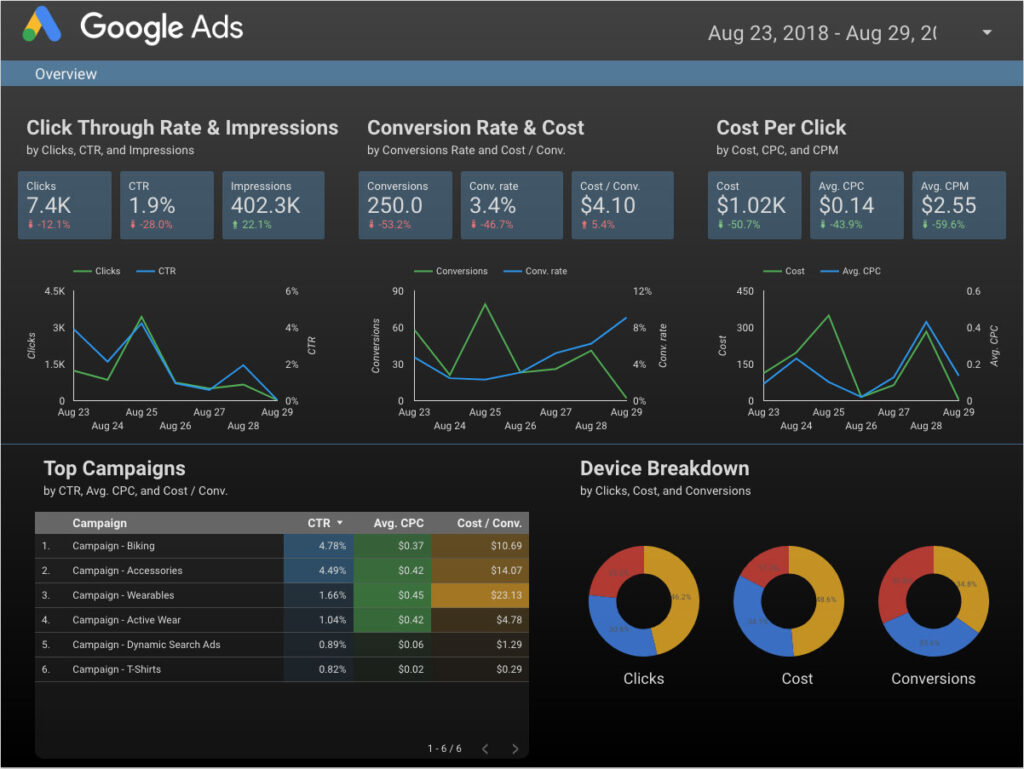
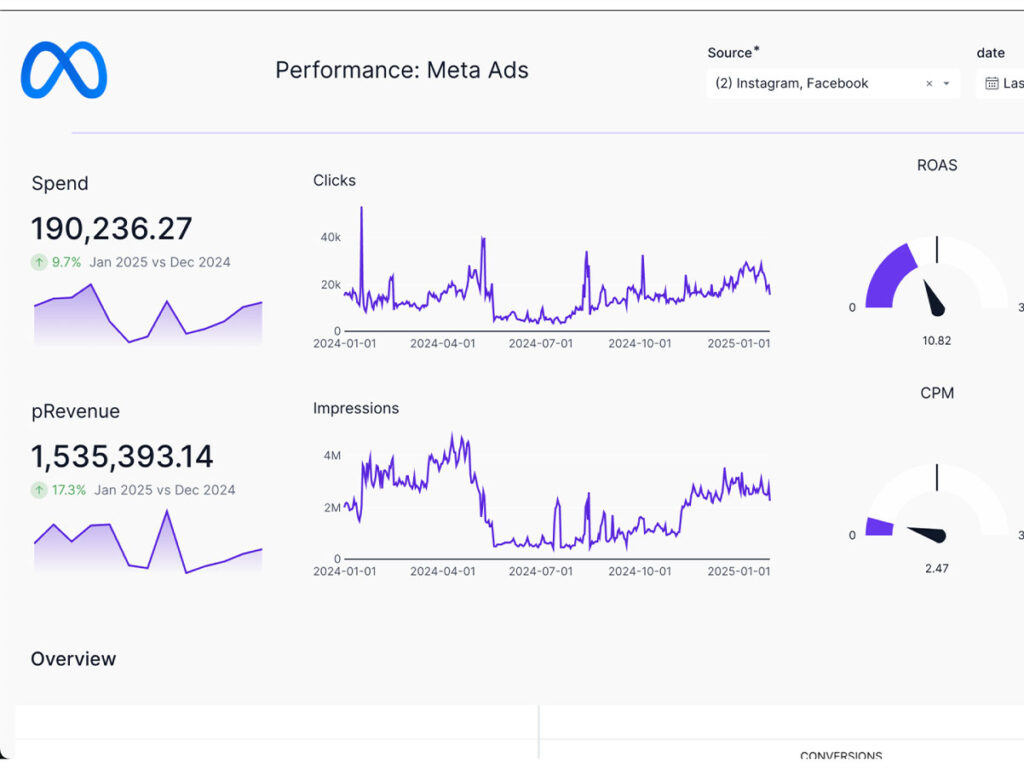
The Simplified Auction Formula
While Google Ads and Meta Ads use different systems, the simplified logic is similar:
Ad Rank = Bid × Estimated Action Rate × Ad Quality
This means the auction is not just about what you are willing to pay. It is also about how likely your ad is to get a result and how good the overall experience is for the user.
1. Your Bid: What You Are Willing to Pay
Your bid tells the platform how much value you place on a specific action. That action could be a click, lead, purchase, app install, registration, or another conversion event.
In manual bidding, you set the bid directly. In automated bidding, the platform adjusts bids based on your campaign goal and the likelihood of conversion.
But a higher bid does not guarantee better results. If your ads are weak, your landing page is poor, or your conversion data is unclear, the platform may charge you more to compete.
2. Estimated Action Rate: The Prediction Layer
This is one of the most important parts of auction dynamics. Platforms try to predict whether a specific person is likely to take the action you want.
- Will they click?
- Will they engage?
- Will they convert?
- Will they complete the action your campaign is optimising for?
Google and Meta use historical behaviour, campaign data, user signals, creative performance, device type, time of day, placement, and many other signals to make this prediction.

3. Ad Quality: The Silent Multiplier
Ad quality affects how competitive your campaign becomes inside the auction. A strong ad can lower your costs. A poor ad can make you pay more or lose visibility entirely.
Google Ads Quality Factors
- Expected click-through rate
- Ad relevance
- Landing page experience
- Keyword and search intent match
Meta Ads Quality Factors
- Quality ranking
- Engagement rate ranking
- Conversion rate ranking
- User feedback and creative performance
The better your ad quality, the easier it becomes to compete. This is why creative, messaging, page speed, offer clarity, and conversion flow all matter.
Why Smaller Advertisers Can Beat Bigger Budgets
Imagine two advertisers competing for the same audience.
| Advertiser A | Higher bid, weak ad, poor landing page |
| Advertiser B | Lower bid, strong ad, better conversion rate |
Advertiser B may still win because the platform predicts a better outcome. The ad is more relevant, users are more likely to act, and the landing page supports the conversion.
This is the real advantage in paid marketing: improving the signals that help the platform trust your campaign.
What Actually Wins Auctions Today?
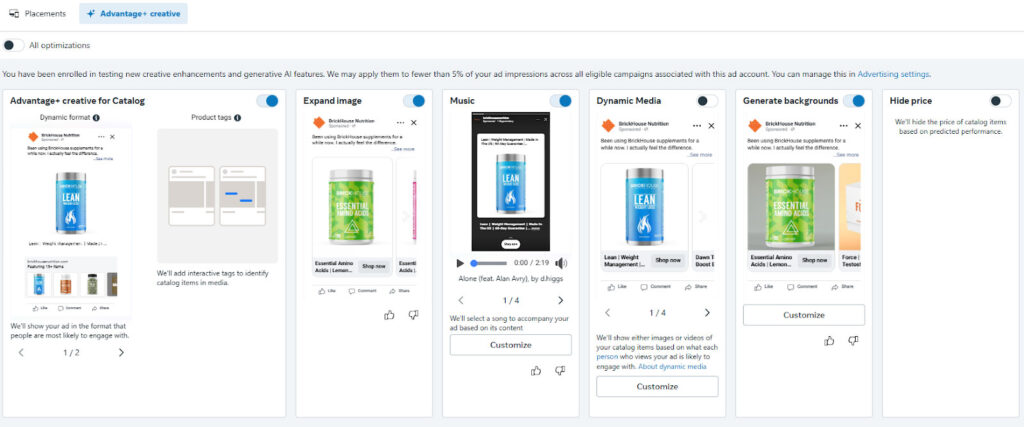
1. Strong Creative
On platforms like Meta, creative is one of the biggest performance levers. A better hook, clearer message, stronger visual, or more relevant offer can completely change campaign performance.
2. Clean Tracking
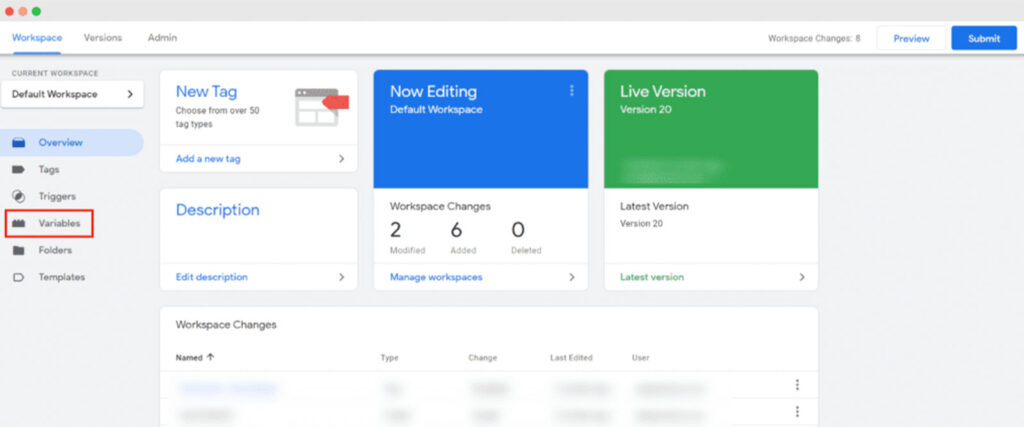
If tracking is weak, the algorithm has less reliable data to optimise from. That means poorer decisions, weaker learning, and often higher costs.
- Set up meaningful conversion events
- Use Google Tag Manager properly
- Check GA4 event tracking
- Use Meta Pixel and Conversion API where possible
- Make sure the platform receives the right signals
3. Landing Page Experience
Your landing page is part of the auction, even if many advertisers forget this. A slow, confusing, or poorly matched page can damage performance after the click and reduce the platform’s confidence in your campaign.
- Clear headline
- Fast loading speed
- Strong mobile experience
- Message match between ad and page
- Simple conversion path
The Feedback Loop That Makes Campaigns Cheaper
Good campaigns create a positive feedback loop:
- Better creative improves click-through rate
- Better click-through rate improves predicted performance
- Better predicted performance improves auction competitiveness
- Stronger competitiveness can lower costs
- Lower costs allow more testing and scaling

Why Most Campaigns Struggle
Many campaigns do not fail because the budget is too small. They fail because the campaign gives the platform poor signals.
- The creative does not capture attention
- The offer is unclear
- The landing page is slow or confusing
- The tracking setup is incomplete
- The campaign has no structured testing process
- The advertiser keeps changing settings before enough data is collected
Paid marketing is not only about launching ads. It is about building a system that gives the auction enough confidence to reward your campaign.
The Strategy Shift: Stop Trying to Outbid, Start Trying to Outperform
The best advertisers do not only ask, “How much should we spend?”
They ask better questions:
- How do we improve predicted conversion rate?
- How do we make the ad more relevant?
- How do we improve landing page experience?
- How do we send better conversion signals?
- How do we test creative more intelligently?
Once you understand auction dynamics, you stop treating paid media like gambling. You start treating it like performance engineering.
Conclusion: The Auction Rewards Better Marketing
Google Ads, Meta Ads and TikTok ads are not designed to simply reward whoever spends the most. They are designed to reward campaigns that are most likely to create value for the user, the advertiser, and the platform.
That is why the best paid marketers focus on more than budgets and bids. They focus on creative quality, conversion tracking, landing page experience, audience intent, and the full journey from impression to action.
If your campaign gives the platform strong signals, it becomes easier to win auctions, control costs, and scale with confidence. If your campaign gives the platform weak signals, even a large budget can disappear quickly.
The real skill in paid marketing is not just knowing where to click inside an ad account. It is understanding how the platform thinks, what it rewards, and how to build campaigns that deserve to win.
For businesses that want to grow through paid media, this is the starting point. Do not just spend more. Build better ads, better pages, better tracking, and better systems. That is how you stop competing only on budget and start competing on intelligence.

Ready to improve your paid marketing performance?
Whether you are running Google Ads, Meta Ads, or a full paid acquisition strategy, the strongest results come from understanding the system behind the spend. Better strategy, better tracking, and better creative can change the way your campaigns perform.